If You Wouldn't Eat a Cat
As an embroidery designer and product reviewer, I’ve evaluated countless machine embroidery designs. But few have sparked as much curiosity and conversation as If You Wouldn't Eat a Cat Why Eat a Cow. This design isn’t just a graphic—it’s a statement, a conversation starter, and a potential centerpiece for a wide range of handmade and commercial projects. Let’s dive into how it performs in real-world use and what makes it a compelling choice for designers, crafters, and small business owners.
The First Impression: A Bold Statement with a Unique Visual Identity
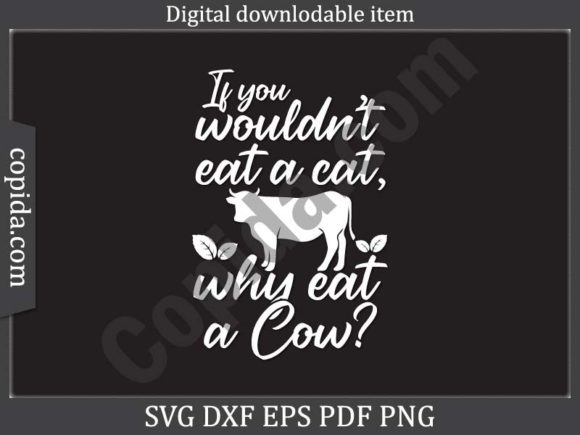
From the moment you open the file, If You Wouldn't Eat a Cat Why Eat a Cow stands out. The design is clean, simple, and intentionally provocative. It doesn’t rely on intricate details or complex shapes; instead, it uses bold typography and a straightforward layout to make its point. The visual personality is irreverent yet thoughtful, perfect for audiences who appreciate humor and social commentary in their handmade products.
This design naturally fits into custom apparel, tote bags, and patches. Its minimalist approach allows it to work well on both light and dark fabrics, though contrast is key. For a finished product, the design feels like it belongs on a sweatshirt, a baby onesie, or even a holiday gift item that’s meant to be memorable.
Real-World Embroidery Performance: Where It Shines and Where It Needs Care
In practice, If You Wouldn't Eat a Cat Why Eat a Cow performs well on most standard embroidery machines. The stitch density is moderate, which means it won’t overwhelm your machine or cause issues with fabric stability. However, there are some considerations to keep in mind.
For custom apparel like t-shirts and sweatshirts, the design works smoothly. It’s ideal for a tote bag design or a patch that can be applied to a variety of garments. The text is clear and legible, making it a strong choice for personalized gifts or branded merchandise. But if you’re planning to use it on smaller hoop sizes, you might need to adjust the placement or consider splitting the design into sections.
On textured or stretchy fabrics, the design may require additional stabilizer to prevent puckering or distortion. Thin or dark fabrics also demand attention—make sure your thread colors contrast well with the background. For example, using white thread on a black fabric will create a striking effect, while a darker thread on a light fabric could look washed out.
When to Be Cautious: Design Limitations and Fabric Considerations
While If You Wouldn't Eat a Cat Why Eat a Cow is versatile, it’s not without limitations. If you're working on a project that requires detailed corners, tiny lettering, or layered elements, this design may not be the best fit. The simplicity of the layout is its strength, but it also means there’s little room for embellishment or complexity.
On curved surfaces like caps or hoods, the design may require careful placement to ensure it sits properly. Additionally, if you're planning to use it on a product that will be washed frequently, check that the stitches hold up over time. Dense stitch areas can sometimes lead to fabric thinning, so testing on scrap fabric first is always a good idea.
Impact on Visual Appeal and Customer Perception
One of the most important aspects of any embroidery design is how it affects the overall look and feel of the finished product. If You Wouldn't Eat a Cat Why Eat a Cow adds a unique visual appeal that can elevate a handmade product or commercial item. Its boldness makes it stand out, which is great for Etsy sellers or small shop products looking to attract attention.
From a customer perspective, this design has a high chance of being recognized and appreciated. It’s engaging, thought-provoking, and can spark conversations. That kind of engagement translates into better buyer engagement and increased chances of repeat customers. Whether it's used on a baby onesie, a holiday gift, or a boutique product, the design brings a sense of personality and individuality to the piece.
Practical Designer Notes: Testing and Preparation Are Key
Before committing to a large batch of If You Wouldn't Eat a Cat Why Eat a Cow, I recommend testing the design on different fabrics and thread colors. This will help you understand how it looks in real life and whether it meets your expectations for quality and durability.
Also, pay attention to the stitch density. If the design feels too dense or too sparse, adjustments may be needed. Check the hoop size requirements and make sure your machine can handle the dimensions. For digital product sellers, confirm that the design files are compatible with your software and that they meet your branding standards.
Finally, always review the licensing terms before selling finished items or digital products. Even though the design is available in multiple formats, you want to ensure you’re compliant with any restrictions or requirements.
Best Use Cases: From Personal Projects to Commercial Success
If You Wouldn't Eat a Cat Why Eat a Cow is ideal for a variety of applications. It works well as an embroidered patch, a tote bag design, or a sweatshirt embroidery. It can also be used in baby embroidery, where the message is both playful and meaningful. For holiday or wedding gifts, the design offers a unique and memorable touch that can set your product apart from the competition.
For craft businesses and Etsy sellers, this design is a solid addition to your collection. It’s easy to incorporate into printable mockups and digital product previews, making it a valuable asset for your brand. Whether you're creating a small shop product or a commercial embroidery project, this design offers flexibility and impact.
Final Thoughts: A Thoughtful Addition to Your Embroidery Library
As someone who reviews embroidery designs for real-world use, I can say that If You Wouldn't Eat a Cat Why Eat a Cow is a standout. It’s not just a graphic—it’s a tool for storytelling, a way to connect with customers, and a way to add value to your handmade or commercial products. With proper preparation and care, this design can become a staple in your embroidery project lineup.
Whether you're a hobbyist, a small business owner, or a creative entrepreneur, If You Wouldn't Eat a Cat Why Eat a Cow is worth considering for your next project. Just remember to test it, adapt it to your needs, and make sure it aligns with your brand and audience.